
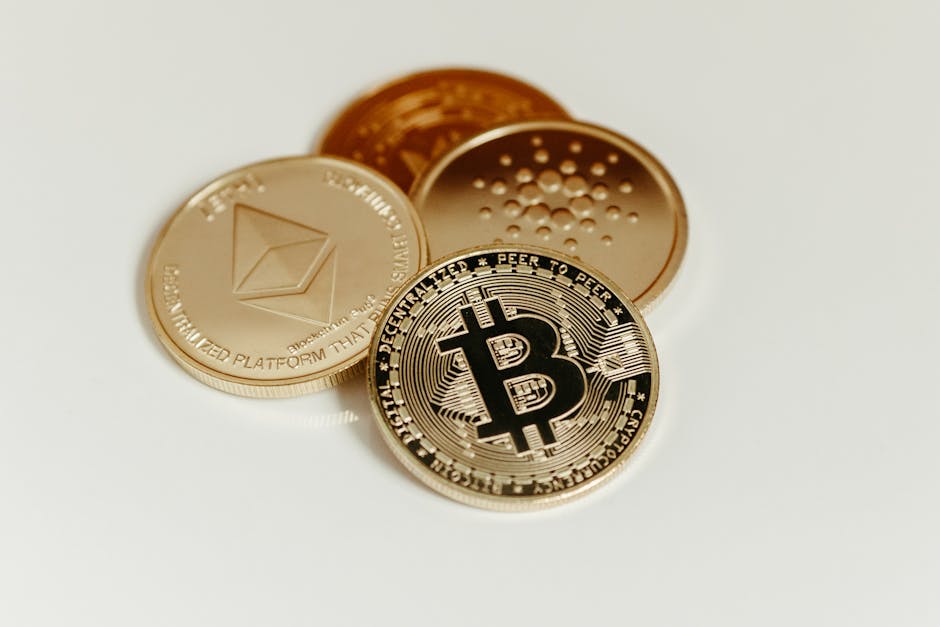
Understanding Altcoins: What Are They and How Do They Work?
In the ever-evolving world of cryptocurrencies, Bitcoin might still hold the crown, but there’s a burgeoning kingdom of alternatives that are demanding attention. Referred to as ‘altcoins’, these alternatives to Bitcoin are not only diversifying the market but are also introducing innovative features that could potentially address some of the shortcomings of their illustrious progenitor. Understanding Altcoins and how they work is crucial for anyone looking to dive deeper into the world of digital currencies.
Introduction to Altcoins
Altcoins, or alternative coins, encompass all cryptocurrencies that emerged after the success of Bitcoin. They were created to provide alternatives by improving or changing how Bitcoin operates. Whether it’s to increase speed, provide more privacy, decrease environmental impact, or democratic governance, altcoins have a myriad of purposes and mechanisms. As of now, there are thousands of altcoins in the market, each with its unique functionalities and underlying philosophy.

Some of the most prominent altcoins include Ethereum, Ripple (XRP), Litecoin, and Cardano, each of which has developed its niche with distinct features and uses. For instance, Ethereum introduces smart contracts that automatically execute transactions if certain conditions are met, adding a layer of functionality that goes beyond simple transactions.
How Do Altcoins Work?
Understanding how altcoins work requires a brief knowledge of blockchain technology, the bedrock upon which cryptocurrencies operate. A blockchain is essentially a distributed ledger that records all transactions across a network of computers. Altcoins utilize this technology to maintain a secure and decentralized record of transactions.
However, not all altcoins work the same way. They can vary in their consensus mechanisms (how transactions are verified), speed, cost, and efficiency:
-
Consensus Mechanisms: While Bitcoin uses Proof of Work (PoW), which requires substantial computational power to mine coins, many altcoins have adopted other mechanisms like Proof of Stake (PoS), Delegated Proof of Stake (DPoS), and others. These mechanisms often aim to solve issues like high energy consumption and improve transaction speeds.
-
Smart Contracts and DApps: Platforms like Ethereum allow the creation of decentralized applications (DApps) and smart contracts. These features expand the use beyond simple monetary transactions to applications like games, automated programs, and complex decentralized systems.
-
Privacy Features: Privacy coins such as Monero and Zcash offer more privacy as they obscure data to shield it from public view, which contrasts with the pseudonymous nature of Bitcoin where transactions are traceable.
-
Interoperability and Scalability: Newer altcoins focus on interoperability (the ability to interact with multiple blockchains) and scalability solutions to support a vast number of transactions, which is a significant bottleneck for several cryptocurrencies, including Bitcoin.
Potential Benefits and Risks of Investing in Altcoins
Investing in altcoins can be appealing due to their innovative features and potential for substantial returns. Early investors in altcoins like Ethereum have seen significant gains as they gained widespread adoption. Moreover, the lower entry cost compared to Bitcoin makes them accessible to a broader audience.
However, the altcoin market is saturated and highly volatile. Many altcoins may fail, and their prices can be susceptible to drastic fluctuations. Regulatory changes, market dynamics, technological flaws, and trends can impact altcoin viability and success.
Understanding Altcoins: FAQs
Q: Are altcoins a good investment?
A: While altcoins can offer significant returns, they come with high risk. It is essential to conduct thorough research or consult financial advice based on your risk tolerance and investment goals.
Q: Can altcoins surpass Bitcoin?
A: Some altcoins may surpass Bitcoin in specific functionalities like transaction speeds or privacy features, but surpassing Bitcoin in terms of market cap or user base is speculative and uncertain.
Q: How do I buy altcoins?
A: Altcoins can be purchased on various cryptocurrency exchanges using fiat money (like USD, EUR) or other cryptocurrencies. Some popular exchanges include Coinbase, Binance, and Kraken. Always ensure to use reputable platforms and secure your investments properly.
Conclusion
Understanding altcoins and how they work is an exhilarating endeavor as they represent not just technological advances but also a shift in how we perceive and use money. The altcoin universe is vast and varied, offering opportunities and risks in equal measure. For anyone excited about the potential of blockchain technology, altcoins offer a playground of innovation and speculation that is worth exploring, provided you approach them with the necessary caution and informed perspective.
The future of altcoins remains uncertain and speculative, but their evolution will undoubtedly shape the landscape of cryptocurrency and blockchain technology in significant ways. Whether you’re a seasoned investor or a curious onlooker, the world of altcoins offers a unique lens into the future of finance and technology.