
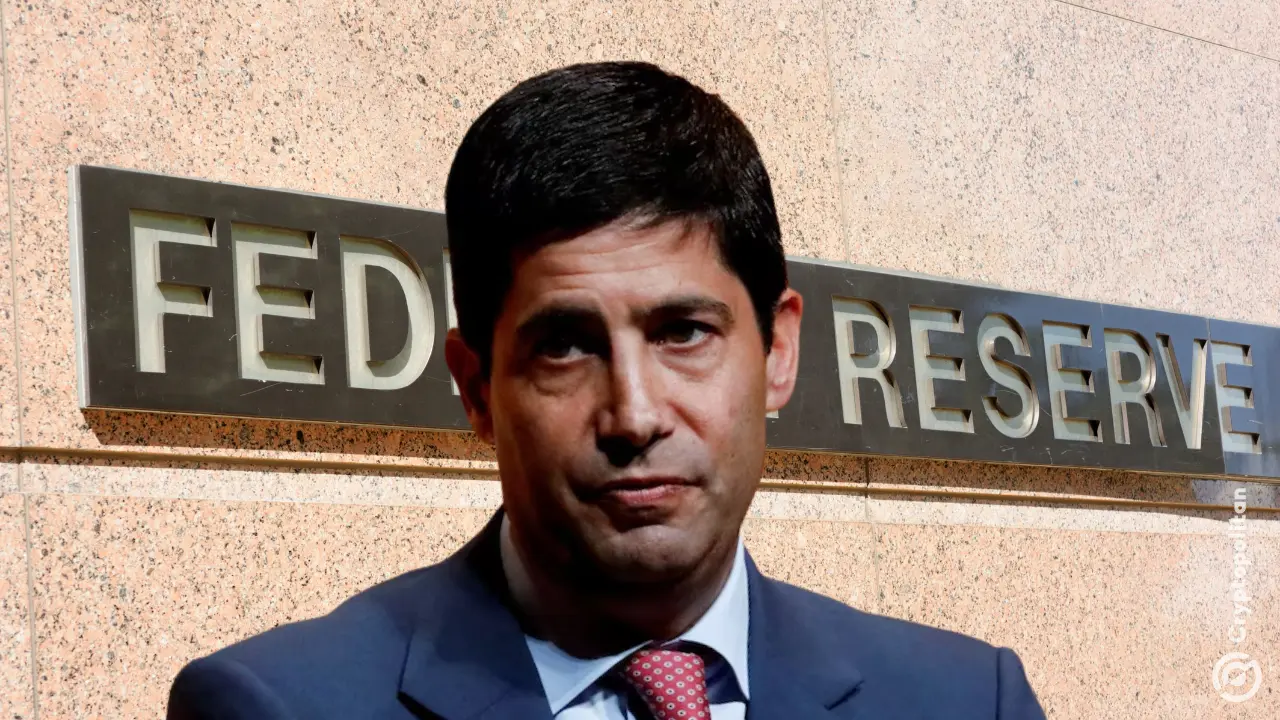
U.S. stocks and Wall Street suffered the sharpest selloffs in months on Friday, with traders seeing a higher chance of Federal Reserve interest rate hikes after May payroll figures from the Bureau of Labor Statistics exceeded expectations massively.

The figures released on Friday from the Bureau stated that the economy added 172,000 jobs last month, well above expectations of around 80,000, as unemployment held at 4.3%. For investors and traders in the stock market, this simply meant any remaining hope for rate cuts in 2026 was eliminated with inflation already running hot and the Iran war still raging on.
Markets see red
The tech-heavy Nasdaq Composite dropped 4.18% in 24h, its worst daily decline since April 2025. The S&P 500 also lost 2.64%, abruptly ending a nine-week winning streak in its worst session since October last year. The Dow Jones Industrial Average shed 695 points and fell by 1.35%.
Semiconductor and AI-related stocks took the biggest hits on the market. Tech big shot and the most publicly traded stock globally, Nvidia, fell by almost 6%. Oracle dipped by 10%, and IBM lost 7%. Broadcom, already in the red due to a reported weak third-quarter guidance for chip revenue, fell another 7.9% on Friday to extend its weekly loss past 13%.
The selling intensified in late trading after the Financial Times reported that Meta Platforms was exploring a multibillion-dollar stock offering to fund its AI buildout. Meta shares fell by more than 5.5% afterwards.
The selloff also spread beyond stocks and equities to even crypto and commodities. Bitcoin fell by more than 5% and slipped below $60,000, hitting its lowest level since October 2024. The cryptocurrency has now fallen more than 50% from its record high last October, as selling pressure rose this week following Strategy’s first Bitcoin sale since 2022.
In addition, Gold dropped more than 3.5%, a dip that almost wiped out its gains for the entire year.
Bond market reprices due to Fed changes
In stark contrast, treasury yields jumped as traders recalibrated expectations for monetary policy under newly installed Fed Chairman Kevin Warsh. Two-year yields, most sensitive to rate expectations, surged to 4.17%, while the 10-year yield climbed to 4.55%.
Interest rate swaps also reflected trader expectations of a quarter-point hike by the December Fed meeting, with an almost 60% chance of a move as early as October, according to CME FedWatch data.
“The whole narrative has changed for the Treasury market and the Fed,” Kevin Flanagan, head of investment strategy at WisdomTree, said.
White House pushback
National Economic Council Director Kevin Hassett dismissed the market reaction, saying traders are “terribly wrong” to interpret the jobs report as a signal for higher rates. Hassett argued that the oil and energy issues from the Iran conflict are unlikely to cause global inflation.
Citigroup economists, among the most accurate Fed forecasters in 2025, maintained their call for three quarter-point cuts starting in September.
Edward Jones senior economist James McCann also wrote that the bar for actual rate hikes remains high and would require evidence of “more persistent” inflation.
The Fed will meet on June 16-17 for Kevin Warsh’s first meeting as chair.
Don’t just read crypto news. Understand it. Subscribe to our newsletter. It’s free.